
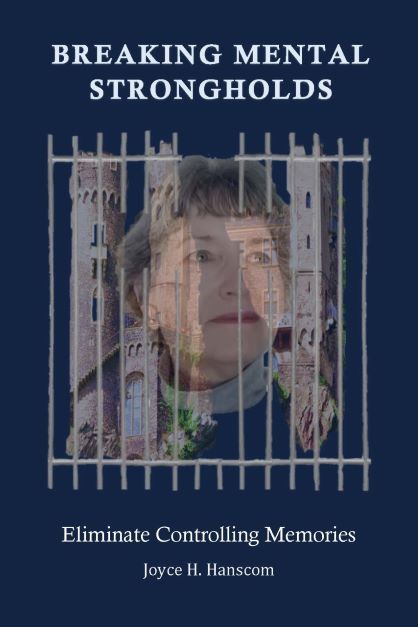
Because this topic is massive, I will break it up into several posts. Today I am introducing the two types of bondages and what freedom looks like. Do you know your hidden bondages? Are you aware of controlling behaviors? Many of us, including me, are not conscious of our unhealthy beliefs and vows that control our actions and reactions. The good news is that God knows all our bondages and wants to set us free. So, what does freedom look like?
The Hidden Internal Bondage in our Lives.
So, what are the hidden bondages that keep us imprisoned? You can find them in your sinful desires and unhealthy beliefs that control your thoughts and emotions. I wrote a short book that I made available on this website that lists possible bondages and unhealthy beliefs about yourself, others, and God. Because we have unique experiences, our hidden bondages will be different, which is why I encourage you to seek the Lord to show them to you. Some bondages are obvious, but you may need a good counselor to identify the less obvious ones. Two common bondages between everyone are self-centered pride and resentment from unforgiven offenses. I am still uncovering resentments from past painful experiences that developed self-centered pride that now control my sinful reactions. I wrote the following example in my last post, but it is a good example, so I want to share it again. God has shown me new unhealthy beliefs He wanted to set me free from.
Example of Becoming Free from Emotional Bondage
This story is an example of how I became free from emotional bondage that controlled my sinful reaction. I became offended by an inconsiderate comment my husband had made, and I said nasty words in return. To cope with the emotional distress, I began cleaning and sweeping the deck, etc. I asked God why his comment triggered my harmful response. God showed me resentment from past hurt when my mother disregarded me. I wanted her praise that she never gave, which caused resentment I did not know existed until it was triggered. I wanted my husband’s praise, so when he criticized me, I got angry. I forgave my mother and my husband, then asked God to take my desire for praise and approval from me. I had the unhealthy belief that if I worked hard, I could win people’s approval. The Bible says that everything we do should be from love and for God’s glory. Love expects nothing in return. I also asked Him to take my self-centered pride. I then repented and asked God for forgiveness for my sinful reaction, and then I asked for my husband’s forgiveness. He did not apologize for his hurtful words, but I forgave him because I wanted to be free from the control of resentment. I asked God to remove the unhealthy belief that I need people’s approval and the prideful desire for praise.
External bondages
Many external bondages develop to cover up internal emotional bondage in our lives. Some of us turn to food, sugar, chocolate, shopping, gaming, TV/movies, music, social media, exercise, etc. when we are emotionally triggered. Sugar is addictive and will cause many problems in your health. Some people turn to alcohol and drugs. I was a workaholic to cope with my mental and emotional bondage. As God heals my emotional bondages, I am becoming free to feel and express love, compassion, joy, peace, patience, kindness, gentleness, and so on.
What Does Freedom Look Like?
Freedom is loving ourselves and people from a pure heart. To love yourself may sound prideful, but the fact is, we can’t love others if we can’t love ourselves. We are our worst critics. We beat ourselves up over mistakes we make or things we said that we thought were dumb, etc. The Bible says in Galatians 5:14, “For the whole law is fulfilled in one word: ‘You shall love your neighbor as yourself.’” And James 2:8 states, “If you really fulfill the royal law according to the Scripture, ‘You shall love your neighbor as yourself,’ you are doing well.” If you are critical of yourself, then you will be critical of others. The goal of my website is to help you love from a pure heart. Purifying your heart requires asking Jesus Christ to uncover your unhealthy beliefs and vows and then transform them using His Word.
About 400 years before the Messiah was born, Isaiah prophesied the following about Jesus Christ. Isaiah 61:1 “The Spirit of the Lord GOD is upon me, because the LORD has anointed me to bring good news to the poor; he has sent me to bind up the brokenhearted [those who are deeply afflicted and distressed], to proclaim liberty to the captives, and the opening of the prison to those who are bound.” Jesus read those words in the Jewish synagogue and said in Luke 4:21, “Today this Scripture has been fulfilled in your hearing.” I will delve into this verse and others in the next post.
Conclusion
Because I strive to keep my posts short and quick to read, I will delve deeper into different emotional bondages and how to be free in subsequent posts. If you haven’t read my testimony in “Hope for Complete Healing” click on the title link. Reading my book will help you understand what unhealthy beliefs are, emotional bondages, and the truth that sets you free.
Next, read the rest of the posts on getting free.
RELATED POSTS
How to Recognize and Eliminate Emotional Cancer

 Hope for Complete Healing